
The first operational meetings are being held after the green light from the Court of Auditors. The next step is the appointment of the managers of the authority, which will bring together disparate needs for protection of the lagoon into one body
Eugenio Pendolini
May 30, 2024
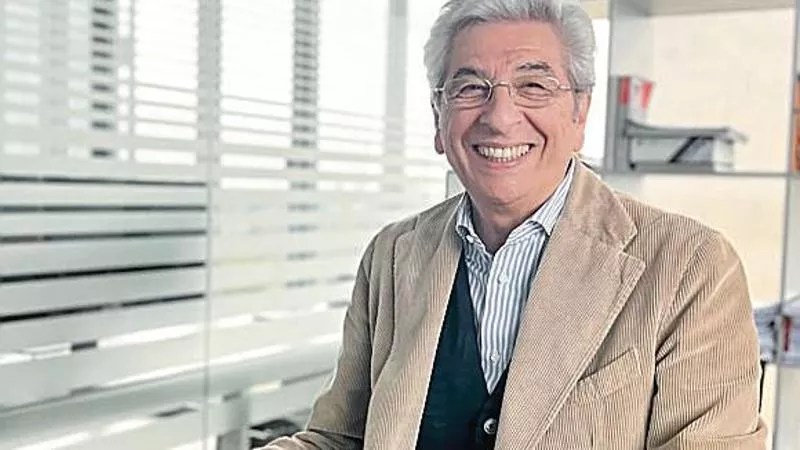
A three-year time horizon to centralize the responsibilities now scattered among different bodies and begin a new season of interventions to safeguard the lagoon and the city. This is the duration of the mandate of the newly formed Lagoon Authority, which is ready to take its first steps after the green light from the Court of Auditors and following the appointment of Roberto Rossetto as president.
The objections raised by environmental committees regarding Rossetto’s age and lack of specific expertise in the area were deemed unfounded. Now the 72-year-old urban planner’s agenda is already packed with operational meetings which for the moment, however, are subject to maximum confidentiality.
Furthermore, the list of open dossiers on the Authority’s table is long. The Authority is meant to reunify responsibilities and oversight on the lagoon and to definitively close the period of commissioners which in recent years has involved MoSE and the Venezia Nuova Consortium.
The Authority will have the task of implementing the new protocol regarding sludge and dredging in the lagoon, and providing answers to the problem of modo ondoso that the city has been waiting on for years. Furthermore, it will oversee the management of the barriers that defend the Basilica of San Marco, the interventions to defend the Marcian insula against medium-high tides, and the maintenance of the canals.
What is certain is that it will take a good part of 2024 for the offices of the newly created Lagoon Authority to be made operational, given that it will have to start from the ground up, that is, from the bureaucratic structure of the institution: budgets, committees, staff.
The appointment of the president is only the first of a long series of steps essential to the functioning of the body. Beyond the ratification process of the nomination, once the approval of the Court of Auditors and the parliamentary commissions has been received, the first major task will be to build the professional team that will have to manage, direct and resolve the numerous open dossiers.
The first to be chosen will be the Management Committee which – in accordance with the law – will be made up of seven managers (no remuneration is foreseen) chosen from among the staff of the Ministry of Infrastructure and Transport, the Ministry of the Economy, the Ministry of Cultural Heritage, the Ministry of the Environment, the Veneto Region, the Metropolitan City of Venice and the Municipality of Venice, and appointed for a period of three years, according to the procedures established by the statute. Their responsibilities? Regulate “the functioning of the Authority”.
Then the Advisory Committee, composed of seven members, must be appointed, and finally, the Board of Auditors. These bodies must be supported by officials (100 based on the Authority’s staffing).
Also at stake in the development of the new Authority is the fate of the workers of the Superintendency and, above all, of the 234 workers of Consorzio Venezia Nuova, Thetis and Comar.
In short, Rossetto’s appointment is the beginning of a long and complex job, with the hope that, after four years of waiting, the Authority will be fully operational starting at the beginning of 2025.
Ed. Meanwhile, as reported in April, the problems represented by some of those “open dossiers” have become very serious.
——————————————————————————————————————–
Alberto Vitucci, April 21, 2024
The funds from the Special Law are not arriving, maintenance is lagging behind. And in the historic center many buildings are at risk of collapsing. A sensational case is that of the last few hours. Palazzetto Favero in San Polo, part of the historic Palazzo Bernardo, was cleared with an order from the mayor to protect public safety, Calle della Madonna closed to traffic, the inhabitants evacuated.
Firefighters found structural injuries, and the collapse of the roof trusses and the third floor attic. Blame the degradation and abandoned conditions of decades. But many historic buildings in the city are in this condition. Some, on the busiest canals, risk collapse due to wave motion, others due to lack of restoration and maintenance interventions. A widespread criticality, which has worsened in recent years. In fact, for twenty years the funds from the Special Law have no longer reached the city, almost all of them being diverted to the MOSE and major works. No more restorations, no contributions to private individuals. And nothing is moving from Rome, despite the Municipality having asked several times for the restoration of these loans.
In short, widespread protection is at a standstill. The Mose not yet completed, the interventions in the lagoon and for safety measures are still in the starting blocks.
Source (both stories): La Nuova di Venezia e Mestre
 Campaign For A Living Venice